
Few buildings capture Singapore's character like the shophouse. Owning, leasing or caring for Singapore shophouse property means looking after a piece of the city's history, and a valuable asset with real potential.
But shophouses are not ordinary properties. Many are conserved, most are decades old, and each one has its own quirks: air wells, timber shutters, clay-tiled roofs and deep, narrow floor plans. Whether you are weighing a purchase, preparing to lease, or planning a renovation, the right decisions start with understanding the building.
This guide walks you through every stage of the shophouse journey, from listing and leasing to maintenance, renovation and sustainable upgrades that keep heritage and performance working together.
Why Singapore Shophouse Property Stands Apart
Shophouses were built for living and trading under one roof, with a shop at street level and living quarters above. Today they house restaurants, offices, boutiques, clinics and homes across districts such as Chinatown, Tanjong Pagar, Joo Chiat, Kampong Glam and Little India.
Their appeal comes from a rare combination of qualities:
- Limited supply. No new heritage shophouses are being built, so existing stock is finite.
- Character. Ornate facades, five-foot ways, patterned tiles and high ceilings give each unit a distinct identity.
- Flexibility. Depending on zoning, a shophouse can serve commercial, residential or mixed uses.
- Long-term value. Many shophouses sit on freehold or long-lease land in well-connected locations.
That same character brings responsibilities. Conservation rules, ageing building fabric and Singapore's hot, humid climate all shape what you can do with the property, and what it costs to keep it in good shape.
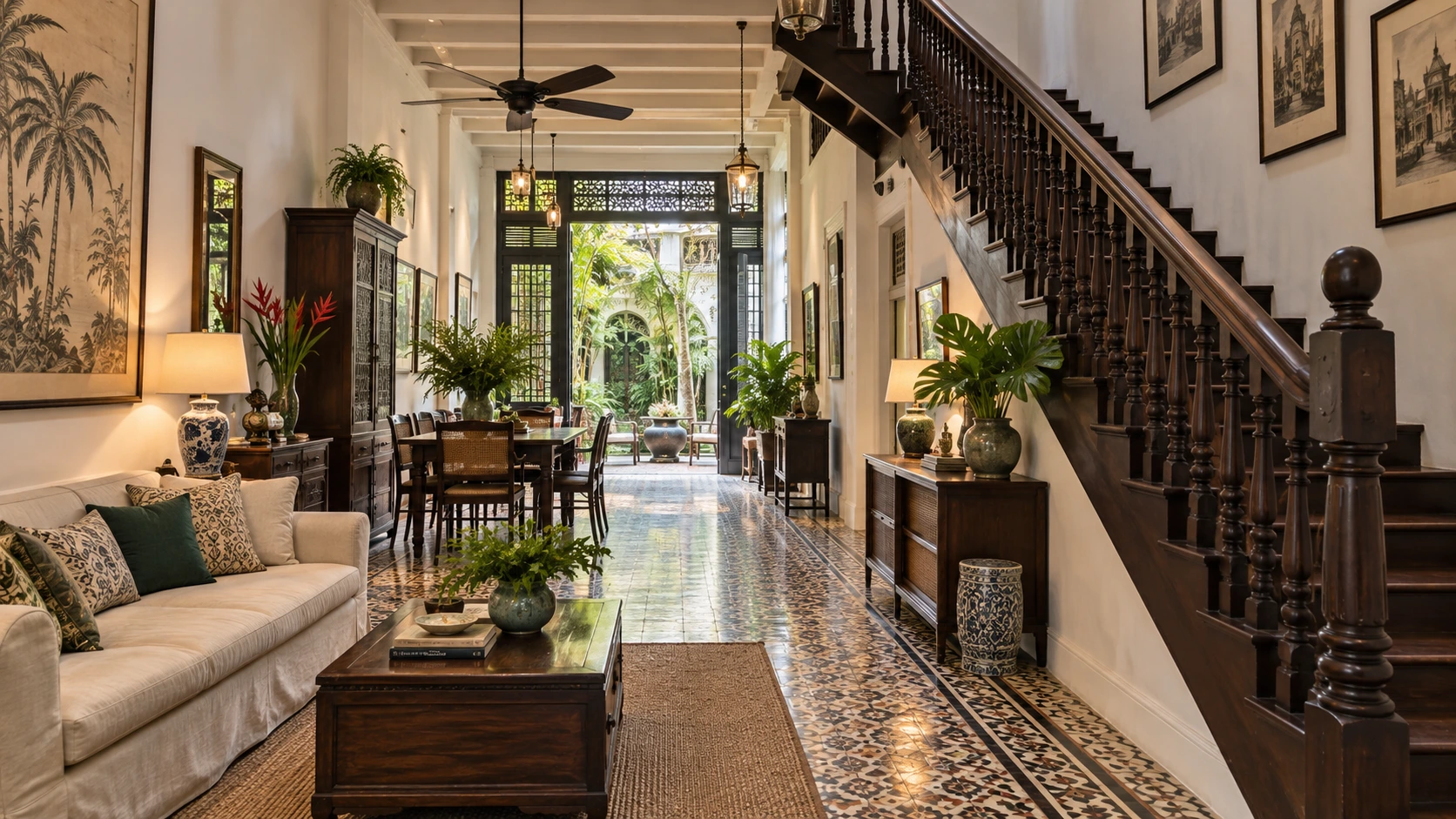
Looking for a Shophouse for Sale in Singapore? What to Check First
Searching for a shophouse for sale in Singapore is exciting, but a good purchase depends on more than location and price. Before committing, look closely at:
- Zoning and permitted use. Commercial, residential and mixed-use shophouses are treated differently, including for financing and for buyer eligibility. Confirm the approved use with the relevant authorities and your lawyer.
- Tenure. Freehold, 999-year and shorter leasehold titles affect long-term value and financing.
- Conservation status. A conserved shophouse comes with guidelines on what you can change, which affects renovation plans and costs.
- Building condition. Roofs, timber structures, drainage and services in older shophouses often need attention. A survey before purchase helps you budget realistically.
- Existing tenancies. If the unit is tenanted, review lease terms, rental income and renewal dates.
- Upgrade potential. Consider whether the building can support future improvements, such as better ventilation, solar panels or EV charging.
Selling your shophouse
For owners, presentation matters. A strong listing shows the building's character as well as the practical details buyers need: floor area, layout, condition, permitted use and any recent works. Beam Reality helps owners prepare sale listings with clear property details, photography and enquiry coordination. Browse current shophouse listings.

Shophouse for Lease in Singapore: Tips for Owners and Tenants
Demand for a shophouse for lease in Singapore comes from F&B operators, creative studios, retailers, wellness brands and firms that want an office with personality. For owners, leasing can provide steady income while keeping the property in active use.
For owners preparing to lease:
- Know the approved use, so you can market to the right tenants.
- Fix visible maintenance issues before viewings. Leaks, damp patches and worn shutters put tenants off quickly.
- Be clear about what tenants can and cannot change, especially in a conserved building.
- Present the space well, with accurate floor areas, good photography and a short description of its character.
For tenants looking to lease:
- Check that your intended business use is allowed for the unit.
- Ask about ventilation, exhaust, electrical capacity and water supply, especially for F&B.
- Clarify who handles repairs to the roof, drainage and building services.
- Factor in fit-out timelines and any approvals your renovation needs.
A well-maintained, well-presented shophouse leases faster and attracts tenants who value the building. Discuss a lease listing with Beam Reality.
Understanding the Conservation Shophouse in Singapore
A large share of the city's heritage shophouses are gazetted for conservation. Owning a conservation shophouse in Singapore means following guidelines set by the Urban Redevelopment Authority (URA), built around a simple principle: maximum retention, sensitive restoration and careful repair.
In practice, this usually means keeping and restoring key elements such as:
- The front facade, including windows, shutters, columns and ornamental plasterwork
- The five-foot way and its floor finishes
- The roof form and pitched clay-tile roofing
- Original party walls, timber floors and structural elements
- Air wells and internal courtyards
Within these guidelines, there is still room to adapt. Interiors can often be reconfigured, rear extensions may be possible, and modern services can be added discreetly. The key is planning works around what must be retained, and securing the right approvals before work starts.
Requirements differ between conservation areas and individual buildings, so always check the specific guidelines for your property. A building survey early in the process helps clarify what can be changed and what should be protected.
Shophouse Renovation in Singapore: Adapting Without Losing Character
A thoughtful shophouse renovation in Singapore can turn a tired building into a bright, comfortable and useful space while preserving what makes it special. The best projects start with a clear brief rather than a list of finishes.
Start with the brief. Define how the space will be used, who will use it, and what the building needs to perform well. A café, a family home and a design studio each have very different requirements.
Retain and reuse. Original timber, encaustic tiles, bricks and fittings carry character that new materials cannot replace. Salvaging and reusing them also reduces waste and embodied carbon.
Work with the layout. Long, narrow shophouses can feel dark in the middle. Reopening air wells, adding skylights and placing rooms carefully can bring daylight and airflow deep into the plan.
Upgrade the services. Electrical capacity, plumbing, drainage and fire safety often need modernising. Planning these early avoids costly changes later.
Plan for approvals. Conservation and building works may need permission before work begins. Build approval time into your schedule.
Beam Reality helps owners shape renovation and adaptive-reuse briefs that respect conservation and tenancy needs. Discuss a renovation.
Shophouse Maintenance in Singapore: Protecting Your Investment
Regular shophouse maintenance in Singapore protects both the building's heritage and its value. Heavy rain, high humidity and strong sun take a steady toll on older structures, and small problems can grow quickly if left alone.
| Area | What to look out for |
|---|---|
| Roof and clay tiles | Cracked or slipped tiles, blocked valleys, leaks after heavy rain |
| Gutters and drainage | Blockages, overflow, water pooling in air wells or back lanes |
| Timber shutters and windows | Rot, peeling paint, termites, sticking hinges |
| Facade and plasterwork | Cracks, damp staining, loose decorative elements |
| Walls and floors | Rising damp, salt deposits, lifting tiles |
| Building services | Ageing wiring, overloaded circuits, plumbing leaks |
A practical maintenance plan sets priorities, schedules routine checks and coordinates repairs around tenants. Planned upkeep costs less than emergency repairs, keeps tenants happy and makes the property easier to sell or lease.
Plan property care with Beam Reality.
Shophouse Sustainability Consulting: Heritage Meets Better Performance
Shophouses were designed for the tropics long before air-conditioning. Deep eaves, five-foot ways, air wells and tall windows all helped keep interiors cool. Shophouse sustainability consulting builds on that wisdom, combining passive design with modern systems that suit the building and its conservation requirements.
Sustainable shophouse upgrades worth considering
The most effective sustainable shophouse upgrades start with passive design, then add systems where they make sense:
- Air wells and ceiling fans. Reopening or improving air wells encourages natural ventilation, while efficient fans improve comfort with less air-conditioning.
- Shading and insulation. Roof insulation, shutters and shading reduce heat gain.
- Efficient lighting and smart controls. LED fittings, sensors and simple monitoring cut energy use and reveal where the building can improve.
- Solar panels. Depending on roof suitability and conservation rules, solar can generate on-site renewable energy.
- EV charging. Where electrical capacity and access allow, EV charging adds convenience for owners and tenants.
- Rainwater reuse and greenery. Harvested rainwater can serve irrigation and cleaning, while planting cools spaces and supports small habitats.
Shophouse improvement planning: where to begin
Good shophouse improvement planning avoids piecemeal upgrades that clash with each other or with conservation guidelines. A sensible sequence is:
- Survey the building to understand its condition, orientation and constraints.
- Prioritise passive measures such as ventilation, daylight and shading.
- Assess feasibility for solar, EV charging and water reuse.
- Check approvals for any works affecting conserved elements.
- Monitor performance after works, so you can fine-tune over time.
Explore how these upgrades fit together in Beam Reality's interactive shophouse upgrades tour, or build your own upgrade plan.
Book a Shophouse Property Consultation
Every shophouse is different, and the right next step depends on the building, its condition and your plans. A shophouse property consultation with Beam Reality is the simplest way to start, whether you want to list, lease, maintain, renovate or upgrade.
Share your property details and what you have in mind. The team will review them with you and agree the scope and terms before any work begins.
Frequently Asked Questions
What is a conservation shophouse in Singapore?
It is a shophouse within a gazetted conservation area or individually conserved, where URA guidelines require key elements such as the facade, roof and five-foot way to be retained and restored.
Can I renovate a conservation shophouse?
Yes. Interiors can often be adapted and services upgraded, but works must follow conservation guidelines and may need approval before starting.
Can I install solar panels on a shophouse?
It may be possible, depending on the roof's condition, orientation and the conservation rules that apply. A survey and feasibility check come first.
How often should a shophouse be maintained?
Roofs, gutters and drainage benefit from regular checks, especially before and after the monsoon seasons. A maintenance plan helps set the right schedule for your building.
What should I check before buying a shophouse for sale in Singapore?
Confirm the zoning and permitted use, tenure, conservation status, building condition and any existing tenancies. Professional legal and property advice is recommended.
Does Beam Reality help with leasing as well as sales?
Yes. Beam Reality helps owners prepare listings for both sale and lease, including property details, photography and enquiry coordination.
Beam Reality's property team prepared this guide from practical experience supporting heritage owners, buyers and tenants across Singapore. Clients often approach us after searching for shophouse for sale Singapore opportunities, shophouse for lease Singapore options, conservation shophouse Singapore guidance, shophouse renovation Singapore planning or shophouse maintenance Singapore support. Our team reviews the property's condition, conservation needs and intended use before recommending practical next steps.
Question: What is the best first step for a Singapore shophouse project?
Answer: Start with a property consultation and building assessment. This confirms the approved use, conservation limits, current condition, likely budget and required approvals before you buy, lease, renovate or maintain the property.